Vocabulary Card – 友達 – tomodachi

Furigana: ともだち

Romaji: tomodachi

Meaning: friends

LevelJLPT N5

Word Type: noun


Writing

Kanji Meaning Onyomi Kunyomi JLPT
friend YUU tomo 5
arrive TATSU

Examples

Kanji 私は金曜日友達と一緒に飲みに行きます。
Furigana わたしはきにょうびともだちといっしょにのみにいきます。
Romaji watashi wa kinyoubi tomodachi to isshoni nomi ni ikimasu.
English I go out drinking with friends on friday.

Vocabulary

Synonym

Kanji Furigana
Romaji Meaning JLPT
友人 ゆうじん yuujin friend

Opposite

Kanji Furigana
Romaji Meaning JLPT
てき teki enemy  –

Related words

Kanji Furigana
Romaji Meaning JLPT
5

Kanji Card – 岸

岸

5CB8 - 岸

Meaning coast, shore
Onyomi GAN
Kunyomi kishi
Strokes 8 (click on the pick to start the video)

Vocabulary

Kanji Furigana Romaji Meaning JLPT
海岸 かいがん kaigan the sea shore

Radicals

Radical Radical name Meaning
 –
 –
 –


Vocabulary Card – 図書館 – toshokan

Furigana: としょかん

Romaji: toshokan

Meaning: library

LevelJLPT N5

Word Type: noun


Writing

Kanji Meaning Onyomi Kunyomi JLPT
drawing, plan ZU, TO haka(ru) 4
to write SHO ka(ku) 5
big hall, building KAN 4

Examples

Kanji 図書館は静かので勉強しやすい所です。
Furigana としょかんはしずかのでべんきょうしやすいところです。
Romaji toshokan wa shizuka node benkyou shiyasui tokoro desu.
English Because the library is quiet it is a good place to learn.

Vocabulary

Synonym

Kanji Furigana
Romaji Meaning JLPT

Opposite

Kanji Furigana
Romaji Meaning JLPT

Related words

Kanji Furigana
Romaji Meaning JLPT
ほん hon book 5
 借りる かりる kariru to borrow, to have a loan

Kanji Card – 感

感

611F - 感

Meaning emotion, feeling
Onyomi KAN
Kunyomi
Strokes 13 (click on the pick to start the video)

Vocabulary

Kanji Furigana Romaji Meaning JLPT
感じる かんじる kanjiru to feel, to sense
感謝 かんしゃ kansha gratitude
責任感 せきにんかん sekininkan sense of responsibility

Radicals

Radical Radical name Meaning
 –
 –
 –


Why is Japanese language so popular?

Hello everyone.

Thank you Nicolas san for creating a wonderful website for all learners of Japanese language. This website has the most comprehensive list of Kanji that you can use to prepare for Japanese language proficiency exam.

Since this is my first time posting here, I would like to briefly summarize my background. I am originally from Japan, and initially moved to Southern California to go to college after finishing high school. I have lived here for over 10 years (long time, I know!), have been tutoring Japanese on a part-time basis for eight years.

I’ve met many people who are truly fascinated by Japanese language, history and culture here in Southern California. Japanese is definitely one of the most popular languages as you can also find countless Japanese language websites. People in America learn Japanese for both personal enrichment and career advancement. There are two reasons my student almost always give me when I ask them why they are learning Japanese.

Japan is one of the most advanced countries in the world. Companies such as Panasonics, Honda, Toyota, Toshiba are all from Japan, and their products are used by millions of people around the world. There are many other Japanese companies successfully exporting their products to the international market. As Japanese companies continue to grow in global market, you are more likely to work with Japanese people. Naturally fluency in Japanese language makes you more competitive in the job market. The US economy has been stagnant, so some of my students are looking into applying for English teacher positions in Japan.

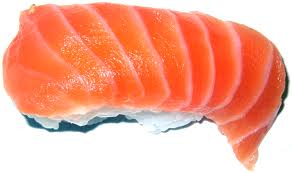
There is another obvious reason, which makes Japanese a popular foreign language. Japanese has a long history and its fantastically rich culture has been admired worldwide. Sushi is actually very popular in where I live. I was shocked to see people eating raw fish when I first moved here. There are many Japanese restaurants and grocery stores here, so people are introduced to fascinatingly unique Japanese culture in our daily lives in Southern California.

I can come up with many other reasons that make Japanese language and culture special, but I am going to end here. I am looking forward to posting more articles about Japanese language and culture! Thanks for reading.:>

Please share with us why you are learning Japanese in the comment section below!


About the Author

Hi My name is Yumi! I am originally from Japan and have lived in Southern California for many years. I have been tutoring my native language on a part-time basis. I look forward to contributing articles about Japanese language and culture. If you have any questions, please feel free to write me. 🙂

Yumi is the owner of the Yumi to Lesson website which helps students to learn Japanese (http://www.yumitolesson.com/)