Do you know the origin of the Japanese word itadakimasu?

The origin of the Japanese word itadakimasu

Watch this video and learn why Japanese people say “itadakimasu” before starting to eat. You will also understand why you do not say it to a person who starts eating as we do in other countries in terms of “enjoy your meal”. It is only used by the person who actually starts eating.

What do you say in your country before you or someone else starts eating? Please share it with us in the comment section.
Learn more about the origins of Japanese words

Do you know the origin of the Japanese word sayounara

The origin of the word sayounara

Many people around the globe know the Japanese word to say good bye sayonara (さようなら). But do you know what it literally means and what its origins are? Find out watching this video.

Did you like this article? There are more similar ones:

Do you know the origin of the Japanese word arigatou

Do you know the origin of the Japanese word for thank you – arigatou? Watch this nice video and find out.

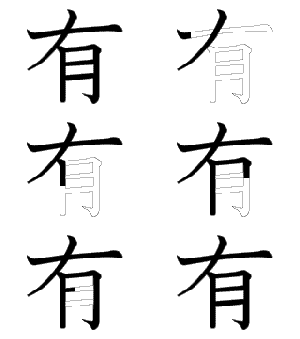
Here are the two kanji mentioned in the vide0:

有

有 - ari - to exist

難 (no kanji card yet). This is the kanji used in 難しい – muzukashii – difficult


How do you say thank you in your language? Let us know in the comment section.

List of Expressions for JLPT N5

All expressions for the JLPT N5

Here is a list of expressions relevant for the JLPT N5. This list was created based on historical tests since no official lists are published. Press the share button on the button of the list and select the printer symbol for a printer friendly view.

Kanji どうもありがとうございます。
Furigana どうもありがとうございます。
Romaji doumo arigatou gozaimasu.
English Thank you very much.

Kanji いただきます。
Furigana いただきます。
Romaji itadakimasu.
English literally: “I start eating”. You say this before you start eating like an announcement.

Kanji いらっしゃいませ。
Furigana いらっしゃいませ。
Romaji irasshaimase.
English Welcome (to our shop). You will hear this almost every time to enter a shop or restaurant in Japan.

Kanji (では)お元気で。
Furigana (では)おげんきで。
Romaji (dewa) o genki de.
English literally: stay healthy. A way of saying good bye.

Kanji お願いします。
Furigana おねがいします。
Romaji onegai shimasu.
English Please (do this for me)

Kanji お早うございます。
Furigana おはようございます。
Romaji ohayou gozaimasu.
English Good morning.

Kanji お休みなさい。
Furigana おやすみなさい。
Romaji oyasumi nasai.
English Good night.

Kanji ごちそうさまでした。
Furigana ごちそうさまでした。
Romaji gochisousama deshita.
English Literally: thank you for the food. You say this when you leave a restaurant or when a waiter takes away finished plates from the table. In private you also say this when you get invited by someone at home or eating outside.

Kanji こちらこそ。
Furigana こちらこそ。
Romaji kochirakoso.
English It is I who should say so.

Kanji ごめんなさい。
Furigana ごめんなさい。
Romaji gomennasai.
English I am sorry.

Kanji 今日は。
Furigana こんにちは。
Romaji konnichi wa.
English Hello, have a good day.

Kanji 今晩は。
Furigana こんばんは。
Romaji konban wa.
English Good evening.

Kanji さようなら。
Furigana さようなら。
Romaji sayounara.
English Good bye. (farewell)

Kanji 失礼します or 失礼しました。
Furigana しつれいします or しつれいしました。
Romaji shitsurei shimasu or shitsurei shimashita.
English Literally: “I will commit a rudeness / I committed a rudeness”. It is most often used when asking someone to make space or when you really want to apologize for something.

Kanji すみません。
Furigana すみません。
Romaji sumimasen.
English excuse me. This is a lighter form of “shitsurei shimasu.”

Kanji では、また。
Furigana では、また。
Romaji dewa, mata.
English See you later.

Kanji (いいえ)どういたしまして。
Furigana (いいえ)どういたしまして。
Romaji (iie) dou itashimashite.
English (Not at all), it’s my pleasure.

Kanji 初めまして。
Furigana はじめまして。
Romaji hajimemashite.
English Nice to meet you.

Kanji どうぞよろしく。
Furigana どうぞよろしく。
Romaji douzo yoroshiku.
English pleased to meet you.

List of all verbs for the JLPT N5

All verbs to pass the JLPT N5

This is the list of all verbs you need to know in order to pass the JLPT N5.  Click on the “Share” button at the end of the article and press the printer symbol in order to change to a printer friendly version.


Kanji Furigana Romaji Meaning Type
会う あう au to meet
開く あく aku to open
開ける あける akeru to open
あげる ageru to give
遊ぶ あそぶ asobu to play
浴びる あびる abiru to take a shower
洗う あらう arau to wash
有る ある aru to be, to exist
ある ある aru to possess
歩く あるく aruku to walk
言う いう iu to say, to tell
行く いく iku to go
いる iru need, must haven be required
いる iru to exist
入れる いれる ireru to insert, to put in
歌う うたう utau to sing
生まれる うまれる umareru to be born
売る うる uru to sell
起きる おきる okiru to get up, to stand up
おく oku to put
送る おくる okuru to send
押す おす osu to push
覚える おぼえる oboeru to memorize, to remember
泳ぐ およぐ oyogu to swim
降りる おりる oriru to get off
終わる おわる owaru to end
買う かう kau to buy
返す かえす kaesu to return an object
帰る かえる kaeru to return home
かかる kakaru to take time or money
書く かく kaku to write
かける kakeru to wear
かける kakeru to make a phone call
貸す かす kasu to lend
冠る かぶる kaburu to put on a hat
借りる かりる kariru to borrow
消える きえる kieru to go out, to vanish
聞く きく kiku to listen
切る きる kiru to cut
着る きる kiru to wear, to put on
来る くる kuru to come
消す けす kesu to turn off, to switch off
答える こたえる kotaeru to answer
困る こまる komaru to be in trouble
咲く さく saku to blossom
さす sasu to open an umbrella
死ぬ しぬ shinu  to die, to pass away
閉まる しまる shimaru to close
閉める しめる shimeru to close
締める しめる shimeru to fasten a belt
知る しる shiru to know
吸う すう suu to breath, to smoke
住む すむ sumu to live, to reside somewhere
する する suru to do
座る すわる suwaru to sit
出す だす dasu to take out, hand in
立つ たつ tatsu to stand
頼む たのむ tanomu to ask, to request
食べる たべる taberu to eat
違う ちがう chigau to be different
使う つかう tsukau to use
疲れる つかれる tsukareru to get tired
着く つく tsuku to arrive
作る つくる tsukuru to make, to produce
点ける つける tsukeru to turn on
勤める つとめる tsutomeru to work for someone
出かける でかける dekakeru to go out
出来る できる dekiru can do
出る でる deru to leave
飛ぶ とぶ tobu to fly
止まる とまる tomaru to stop
取る とる toru  to take
撮る とる toru to take a photo
鳴く なく naku to sing, mew, moo
並ぶ ならぶ narabu to form a line
並べる ならべる naraberu to line up
なる naru to become
脱ぐ ぬぐ nugu to take off clothes
寝る ねる neru to sleep
登る のぼる noboru to climb up
飲む のむ nomu to drink
乗る のる noru to take, to ride
入る はいる hairu to enter
履く はく haku to put on shoes
始まる はじまる hajimaru to begin, to start
走る はしる hashiru to run
働く はたらく hataraku to work
話す はなす hanasu to talk, to speak, to tell
 張る はる haru to put something on, to stick
 晴れる はれる hareru to clear up
引く ひく hiku to pull
弾く ひく hiku to play an instrument
吹く ふく fuku to blow (wind)
降る ふる furu to fall (rain, snow)
曲がる まがる magaru to turn
待つ まつ matsu to wait
磨く みがく migaku to polish, to brush
見せる みせる miseru to show
見る みる miru to see, to watch
持つ もつ motsu to have, to own
休む やすむ yasumu to rest
やる yaru  to do
呼ぶ よぶ yobu to call
読む よむ yomu to read
分かる わかる wakaru to know, to understand
忘れる わすれる wasureru to forget
渡す わたす watasu to hand over
渡る わたる wataru to cross

Learn more about Japanese verbs: