 Ramen (ラーメン) is a Japanese noodle soup dish which is very popular amongst Japanese as well as foreigners. It consists of Chinese style noodles in a broth with toppings such as sliced pork, green onions and many more. This article explains the different types of Ramen as well as vocabulary and phrases that will be useful to eat at almost any Ramen restaurant.
1) The 4 basic types of ramen soup
There are four basic types of broth for Ramen:
- Shouyu Ramen (醤油ラーメン)with soy souce
- Shio Ramen (塩ラーメン) – vegetable broth
- Miso Ramen (味噌ラーメン) with miso paste
- Tonkotsu Ramen (豚骨ラーメン) – a pork broth
On top of these four basic ramen soup you will also find many variations and combination driven by regional preferences or the restaurants trying to create unique dishes.

Shoyu Ramen

Shio Ramen

Miso Ramen
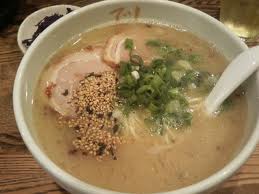
Tonkotsu Ramen
2. The toppings
Each ramen restaurant offers different toppings for ramen. Some toppings are fixed part of the dish whereas other toppings can be ordered as options. This is a list of the most common toppings:
- Nori (海苔) – seawead
- Negi (ネギ) – green onions
- Moyashi (もやし) – soy sprouts
- Tamago (卵) – boiled egg
- Chaashuu (チャーシュー) grilled pork slices
- Goma (ごま) – sesame
- Koon (コーン) – corn
- Battaa (バッター) – butter
- Menma (メンマ) – fermented bamboo shoots

Nori

Negi

Moyashi

Tamago

Chaashuu

Goma

koon

bataa

menma
3. Side dishes
Almost every Ramen restaurant offers a set of typical side dishes. The most popular side dishes are:
- gyouza (餃子) – dumplings
- chaahan (チャーハン) – fried rice

Gyouza
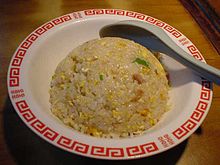
Chaahan
4. Vocabulary & sentences
Here are a few words and patterns that will help you to get what you want at any Ramen restaurant.
| English | Romaji | Furigana |
Kanji |
| big portion | oumori | おうもり | おうもり |
| more please | okawari kudasai | おかわりください | おかわり下さい |
| please help | tasukete kudasai | たすけてください | 助けて下さい |
| the bill please | okaikei | おかいけい | お会計 |
| water please | omizu kudasai | おみずください | お水下さい |
What is YOUR favorite Ramen. Please share your best Ramen experiences in the comment section.
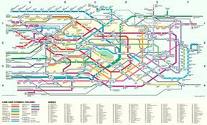
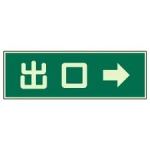



 Although trains are the most convenient way to travel in Japan, it sometimes is better or faster to use the taxi. Taxi drivers in Japan generally do not speak any English, so that it is useful if you now a few words and phrases to communicate with the driver. You can also print this page and show the sentences to the driver.



 NIHONGO ICHIBAN